
Optimal Timing for Land Clearing
Land clearing is most effective when weather conditions are favorable, typically during dry seasons. Optimal timing depends on local climate patterns, with late spring and early fall often being ideal in many regions. Proper timing ensures efficient removal of vegetation and minimizes environmental impact.
Dry months provide better soil stability and reduce the risk of erosion during land clearing activities.
Avoid land clearing during heavy rains or extreme cold, as these conditions can delay work and cause safety hazards.
Timing land clearing before the peak growing season minimizes regrowth and reduces maintenance needs.
Certain permits or restrictions may be seasonal, affecting the best timing for land clearing projects.
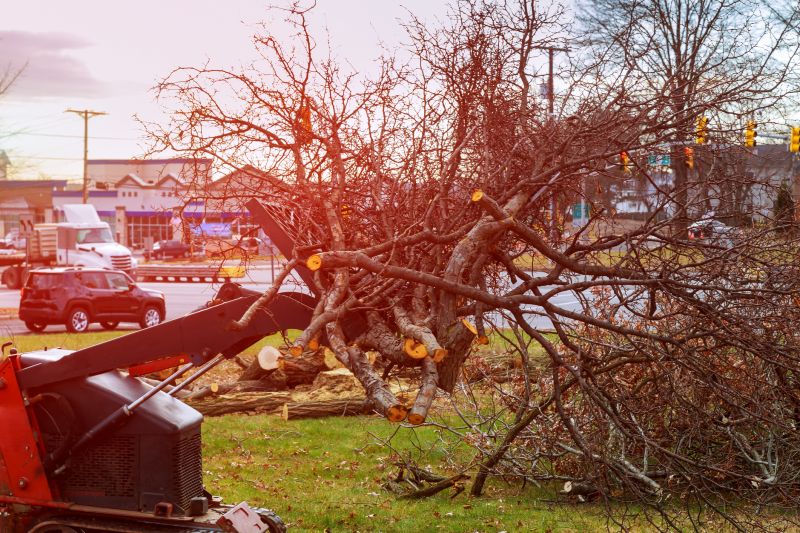
Heavy machinery at work during a dry season in Grand Prairie, TX.
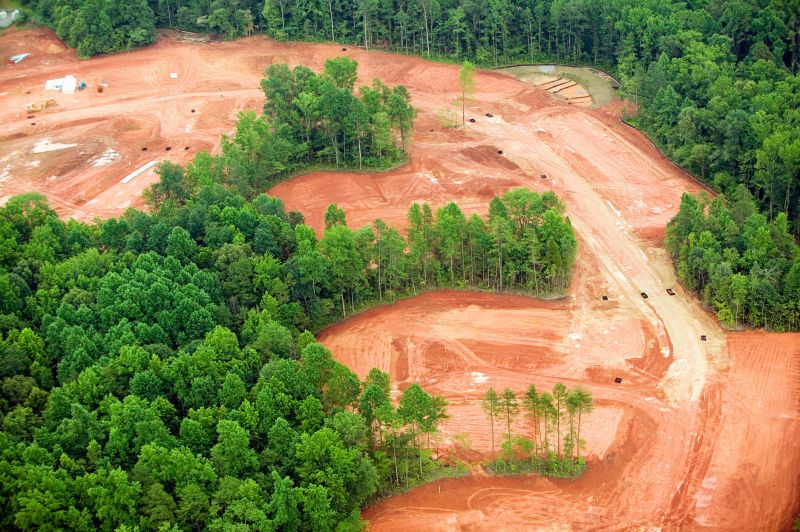
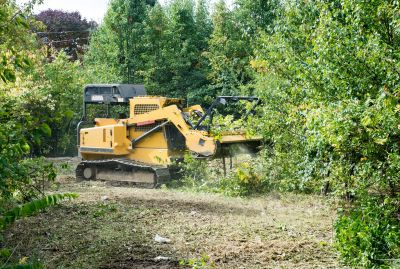
Clearing brush and trees to prepare land for development.
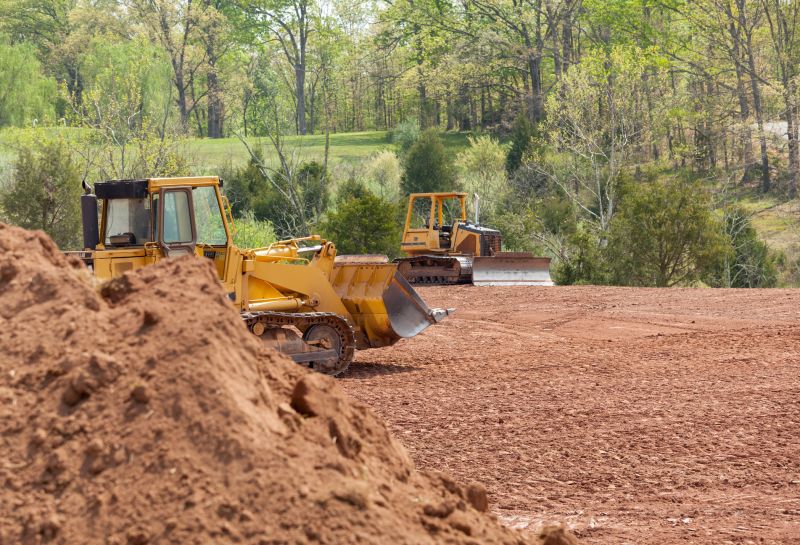
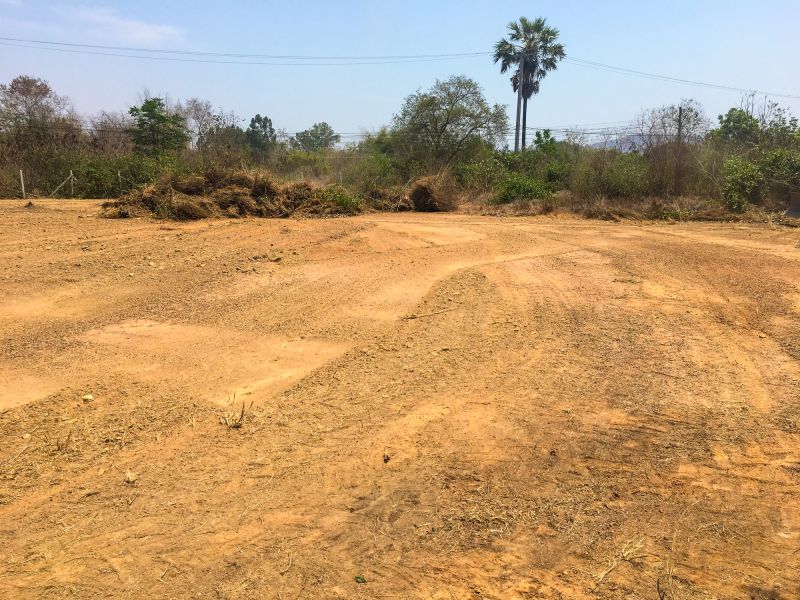
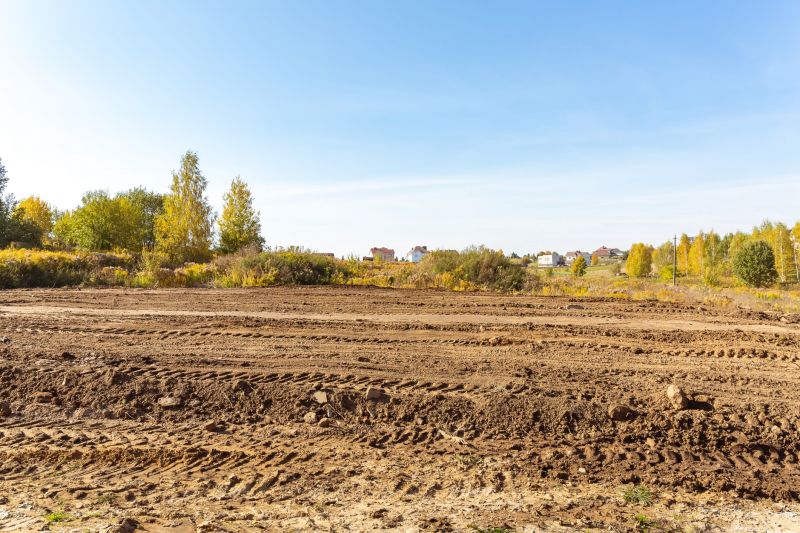
Prepared land ready for construction or other uses.
Ways to make Land Clearings work in tight or awkward layouts.

Popular materials for Land Clearings and why they hold up over time.
Simple add-ons that improve Land Clearings without blowing the budget.
High-end options that actually feel worth it for Land Clearings.
Finishes and colors that play nicely with Land Clearings.
| Factor | Best Timing |
|---|---|
| Weather Conditions | Dry seasons are preferable |
| Vegetation Cycle | Before peak growth periods |
| Soil Stability | During periods of low rainfall |
| Regulatory Restrictions | Season-specific permits |
| Project Deadlines | Align with favorable weather windows |
Land clearings involve removing trees, shrubs, and other vegetation to prepare a site for construction, agriculture, or development. Proper timing can significantly impact the efficiency and cost of the project. Seasonal factors influence soil stability, vegetation regrowth, and safety conditions, making it essential to plan accordingly.
Statistics indicate that projects conducted during optimal weather windows experience fewer delays and lower operational costs. In regions like Grand Prairie, TX, late spring and early fall are generally considered the most suitable periods for land clearing activities. Careful planning based on local climate patterns ensures the best results.
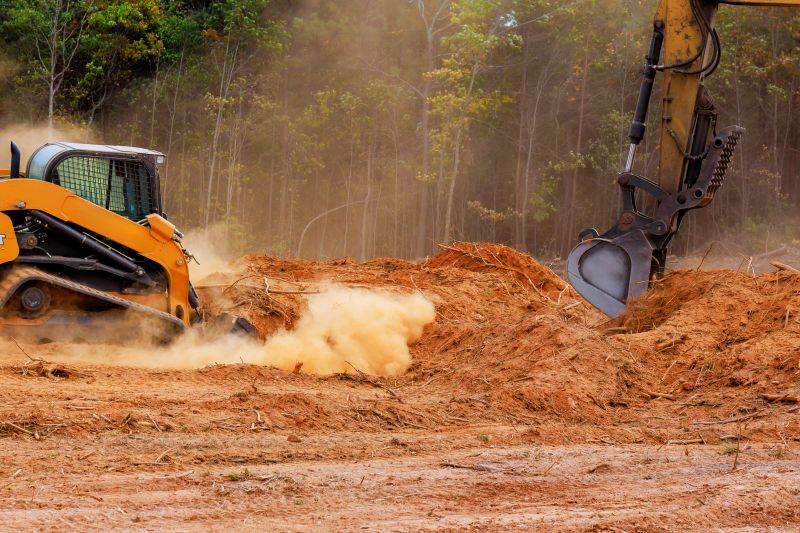
Excavators and bulldozers working on a cleared site.
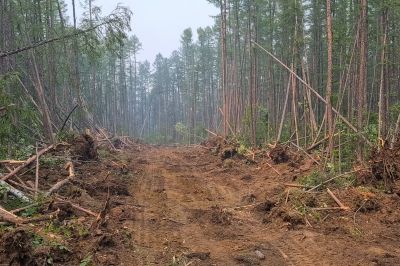
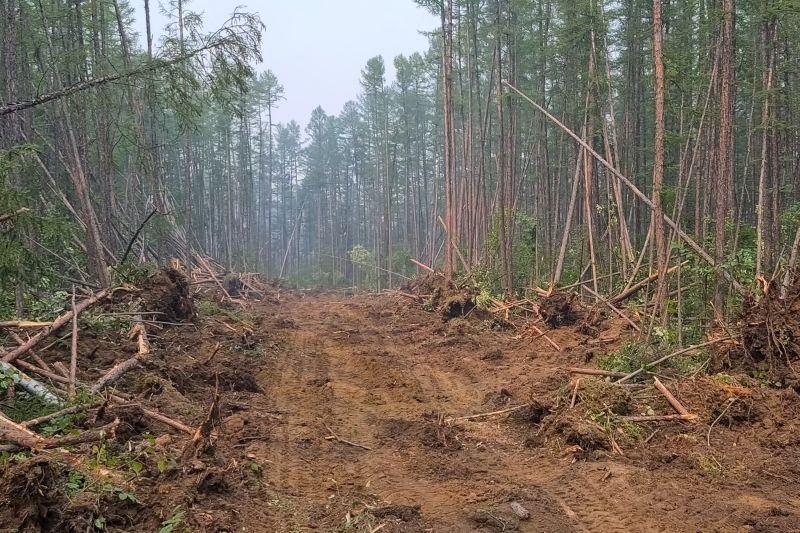
Clearing brush to prepare for construction.
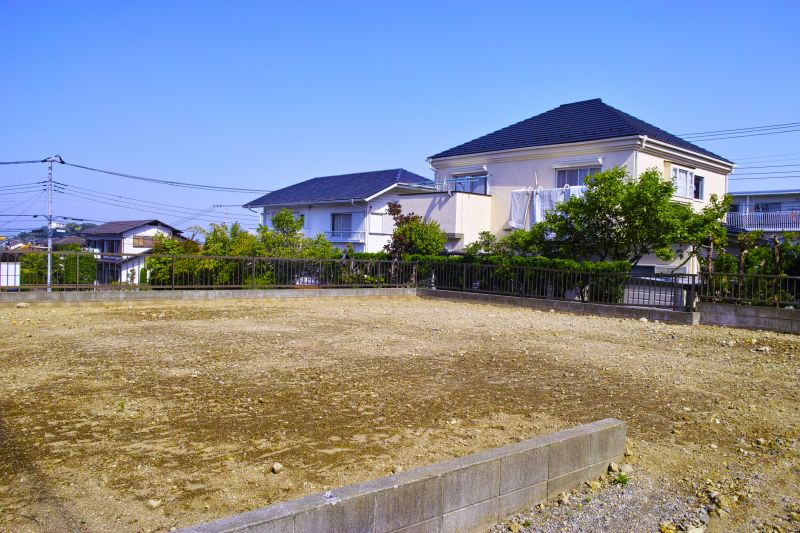
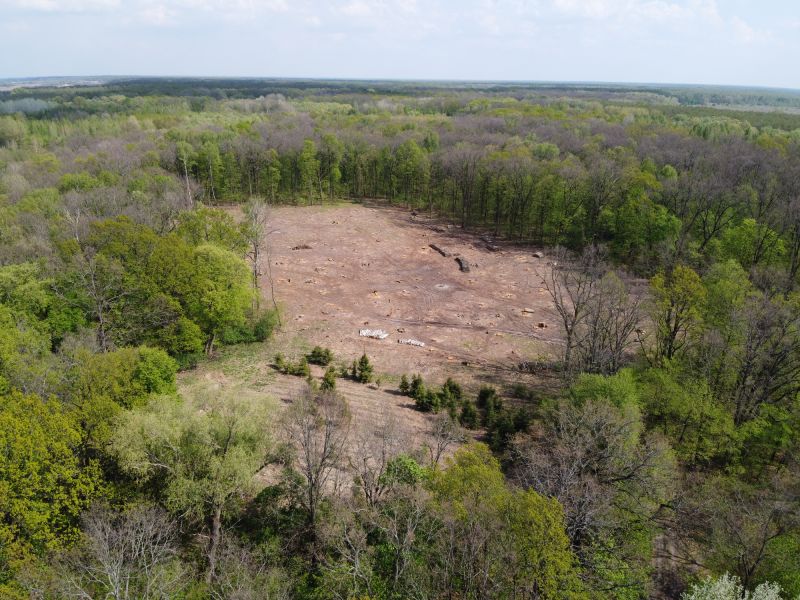
A flat, open area prepared for development.
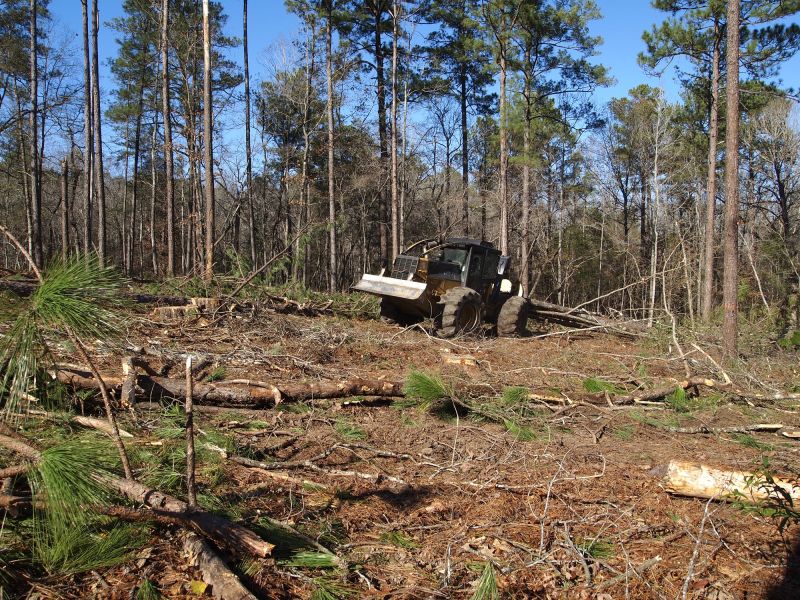
Operators working during optimal weather conditions.

Little measurements that prevent headaches on Land Clearings day.
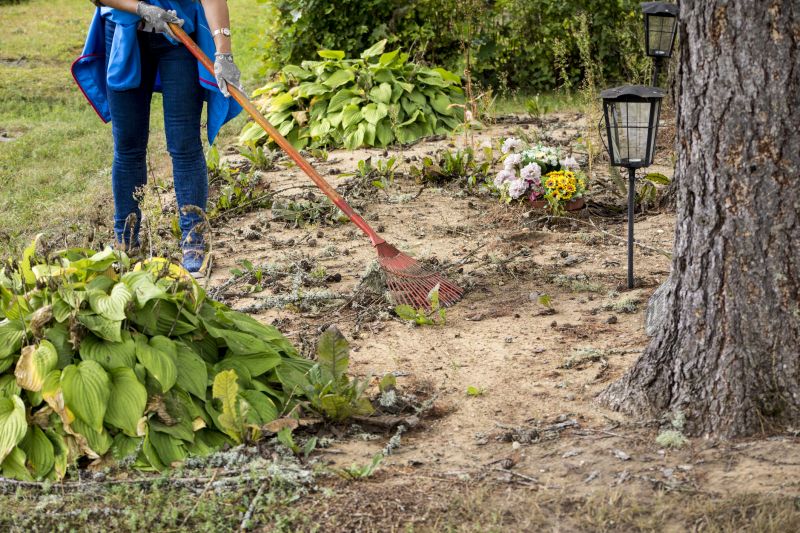
A 60-second routine that keeps Land Clearings looking new.
A frequent mistake in Land Clearings and how to dodge it.
Small tweaks to make Land Clearings safer and easier to use.
Those interested in land clearing services are encouraged to contact for more information. Proper scheduling and preparation can enhance project outcomes and reduce unforeseen issues. Planning with experienced professionals ensures the land clearing process aligns with project timelines and local conditions.